
'/%3e%3c/g%3e%3c/svg%3e)

Blog
How to Choose the Best Art Radiator for Your Home?
'%3e%3cpath%20id='Vector'%20fill-rule='evenodd'%20clip-rule='evenodd'%20d='M5.83333%201.45833C6.17851%201.45833%206.45833%201.73816%206.45833%202.08333V2.71893C7.01002%202.70833%207.61783%202.70833%208.28632%202.70833H11.7137C12.3822%202.70833%2012.99%202.70833%2013.5417%202.71893V2.08333C13.5417%201.73816%2013.8215%201.45833%2014.1667%201.45833C14.5118%201.45833%2014.7917%201.73816%2014.7917%202.08333V2.77258C15.0082%202.78909%2015.2134%202.80985%2015.4075%202.83594C16.3845%202.9673%2017.1753%203.24407%2017.799%203.8677C18.4226%204.49134%2018.6993%205.28213%2018.8307%206.25915C18.8727%206.57139%2018.9008%206.91216%2018.9197%207.28339C18.9447%207.35088%2018.9583%207.42384%2018.9583%207.5C18.9583%207.55777%2018.9505%207.6137%2018.9358%207.6668C18.9583%208.33508%2018.9583%209.094%2018.9583%209.953V11.7137C18.9583%2013.2452%2018.9583%2014.4582%2018.8307%2015.4075C18.6993%2016.3845%2018.4226%2017.1753%2017.799%2017.799C17.1753%2018.4226%2016.3845%2018.6993%2015.4075%2018.8308C14.4582%2018.9583%2013.2452%2018.9583%2011.7137%2018.9583H8.28632C6.75486%2018.9583%205.54182%2018.9583%204.59248%2018.8308C3.61547%2018.6993%202.82467%2018.4226%202.20103%2017.799C1.5774%2017.1753%201.30063%2016.3845%201.16928%2015.4075C1.04164%2014.4582%201.04165%2013.2452%201.04167%2011.7137V9.953C1.04166%209.09392%201.04165%208.33508%201.06417%207.66681C1.04951%207.61371%201.04167%207.55777%201.04167%207.5C1.04167%207.42385%201.05528%207.35087%201.08022%207.28338C1.09912%206.91215%201.1273%206.57138%201.16928%206.25915C1.30063%205.28213%201.5774%204.49134%202.20103%203.8677C2.82467%203.24407%203.61547%202.9673%204.59248%202.83594C4.78658%202.80985%204.99172%202.78909%205.20833%202.77258V2.08333C5.20833%201.73816%205.48816%201.45833%205.83333%201.45833ZM2.30257%208.125C2.29193%208.66892%202.29167%209.28833%202.29167%2010V11.6667C2.29167%2013.2557%202.29299%2014.3846%202.40813%2015.241C2.52085%2016.0793%202.73224%2016.5624%203.08492%2016.9151C3.43759%2017.2677%203.92063%2017.4792%204.75904%2017.5918C5.61542%2017.707%206.74432%2017.7083%208.33333%2017.7083H11.6667C13.2557%2017.7083%2014.3846%2017.707%2015.241%2017.5918C16.0793%2017.4792%2016.5624%2017.2677%2016.9151%2016.9151C17.2677%2016.5624%2017.4792%2016.0793%2017.5918%2015.241C17.707%2014.3846%2017.7083%2013.2557%2017.7083%2011.6667V10C17.7083%209.28833%2017.7081%208.66892%2017.6974%208.125H2.30257ZM17.6402%206.875H2.35973C2.37308%206.71717%202.38904%206.56769%202.40813%206.42571C2.52085%205.5873%202.73224%205.10426%203.08492%204.75158C3.43759%204.39891%203.92063%204.18752%204.75904%204.0748C5.61542%203.95966%206.74432%203.95833%208.33333%203.95833H11.6667C13.2557%203.95833%2014.3846%203.95966%2015.241%204.0748C16.0793%204.18752%2016.5624%204.39891%2016.9151%204.75158C17.2677%205.10426%2017.4792%205.5873%2017.5918%206.42571C17.6109%206.56769%2017.6269%206.71717%2017.6402%206.875ZM8.98917%2010.2559C9.22275%2010.3527%209.375%2010.5806%209.375%2010.8333V14.1667C9.375%2014.5118%209.09517%2014.7917%208.75%2014.7917C8.40483%2014.7917%208.125%2014.5118%208.125%2014.1667V12.3423L7.94194%2012.5252C7.69787%2012.7693%207.30213%2012.7693%207.05806%2012.5252C6.81398%2012.2812%206.81398%2011.8855%207.05806%2011.6414L8.30806%2010.3914C8.48683%2010.2127%208.75567%2010.1592%208.98917%2010.2559ZM11.6667%2011.4583C11.5516%2011.4583%2011.4583%2011.5516%2011.4583%2011.6667V13.3333C11.4583%2013.4484%2011.5516%2013.5417%2011.6667%2013.5417C11.7817%2013.5417%2011.875%2013.4484%2011.875%2013.3333V11.6667C11.875%2011.5516%2011.7817%2011.4583%2011.6667%2011.4583ZM10.2083%2011.6667C10.2083%2010.8612%2010.8612%2010.2083%2011.6667%2010.2083C12.4721%2010.2083%2013.125%2010.8612%2013.125%2011.6667V13.3333C13.125%2014.1387%2012.4721%2014.7917%2011.6667%2014.7917C10.8612%2014.7917%2010.2083%2014.1387%2010.2083%2013.3333V11.6667Z'%20fill='var(--fill-0,%20%23E47F3B)'/%3e%3c/g%3e%3c/svg%3e) 07-22-2026
07-22-2026'%3e%3cpath%20id='Vector'%20d='M3.0709%2012.8701C2.69399%2011.9602%202.5%2010.9849%202.5%2010C2.5%209.01509%202.69399%208.03982%203.0709%207.12987C3.44781%206.21993%204.00026%205.39314%204.6967%204.6967C5.39314%204.00026%206.21993%203.44781%207.12987%203.0709C8.03982%202.69399%209.01509%202.5%2010%202.5C10.9849%202.5%2011.9602%202.69399%2012.8701%203.0709C13.7801%203.44781%2014.6069%204.00026%2015.3033%204.6967C15.9997%205.39314%2016.5522%206.21993%2016.9291%207.12987C17.306%208.03982%2017.5%209.01509%2017.5%2010C17.5%2010.9849%2017.306%2011.9602%2016.9291%2012.8701C16.5522%2013.7801%2015.9997%2014.6069%2015.3033%2015.3033C14.6069%2015.9997%2013.7801%2016.5522%2012.8701%2016.9291C11.9602%2017.306%2010.9849%2017.5%2010%2017.5C9.01509%2017.5%208.03982%2017.306%207.12987%2016.9291C6.21993%2016.5522%205.39314%2015.9997%204.6967%2015.3033C4.00026%2014.6069%203.44781%2013.7801%203.0709%2012.8701Z'%20stroke='var(--stroke-0,%20%23E47F3B)'%20stroke-width='1.5'%20stroke-linecap='round'%20stroke-linejoin='round'/%3e%3cpath%20id='Vector_2'%20d='M10%2010H12.9167'%20stroke='var(--stroke-0,%20%23E47F3B)'%20stroke-width='1.5'%20stroke-linecap='round'%20stroke-linejoin='round'/%3e%3cpath%20id='Vector_3'%20d='M10%205.83333V10'%20stroke='var(--stroke-0,%20%23E47F3B)'%20stroke-width='1.5'%20stroke-linecap='round'%20stroke-linejoin='round'/%3e%3c/g%3e%3c/svg%3e) 10 MIN READ
10 MIN READPicking out the perfect Art Radiatorfor your home isn’t exactly a walk in the park. It’s really a mix of style and functionality — you want something that looks good but also keeps you warm. An Art Radiator can totally upgrade your space and add that cozy vibe, but honestly, with so many options out there, it can be pretty overwhelming to choose the right one. First things, think about your home's style. If you’ve got a modern setup, you might go for something sleek and minimal, while a more cla
Picking out the perfect Art Radiatorfor your home isn’t exactly a walk in the park. It’s really a mix of style and functionality — you want something that looks good but also keeps you warm. An Art Radiator can totally upgrade your space and add that cozy vibe, but honestly, with so many options out there, it can be pretty overwhelming to choose the right one.
First things, think about your home's style. If you’ve got a modern setup, you might go for something sleek and minimal, while a more classic or traditional look might call for something more timeless. Details like color, size, and material are super important — little things, but they make a big difference in how everything ends up looking.
Now, a lot of homeowners get stuck on the practical side of things — like installation or upkeep. It’s really worth finding a trustworthy supplier. Brands like Runtal or Zehnder usually have good quality options and helpful advice, but don’t forget to check out reviews from other customers. Reading about real experiences can save you a lot of headaches — just stay a bit critical. At the end of the day, your Art Radiator should strike a nice balance between looking great and working well in your space, matching your style and needs perfectly.
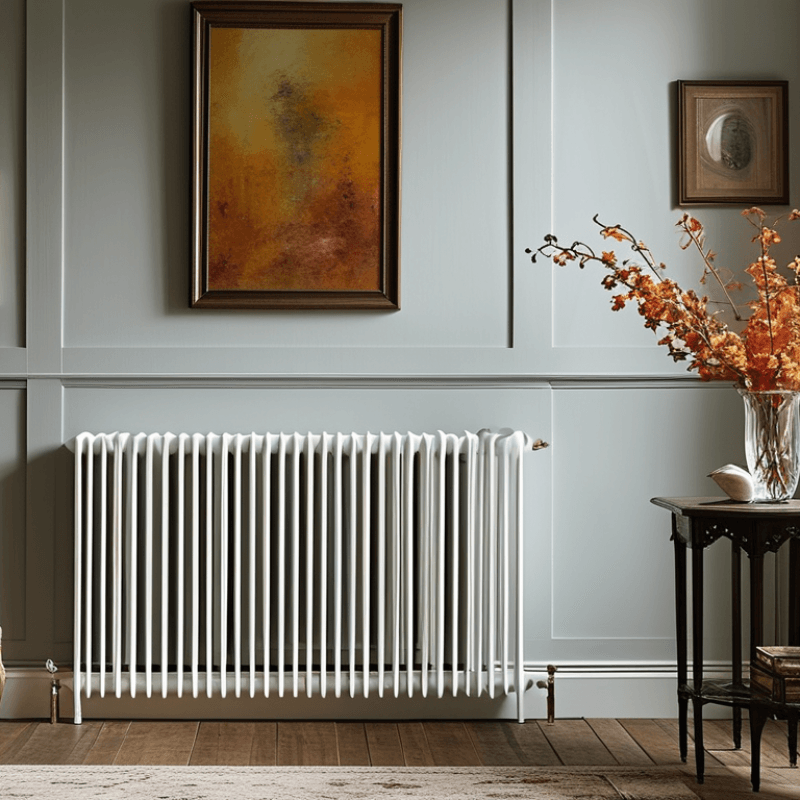
Table of Contents **[Hide*]*
1 Understanding Art Radiators and Their Benefits
2 Factors to Consider When Choosing an Art Radiator
3 Evaluating Size and Space Requirements for Your Home
4 Selecting the Right Material for Your Art Radiator
5 Design Styles: Matching Your Art Radiator with Home Decor
6 Energy Efficiency and Heating Performance of Radiators
7 Installation and Maintenance Tips for Art Radiators
Understanding Art Radiators and Their Benefits
Art radiators combine functionality and aesthetics. They are not just heaters, but also functional pieces of art. These unique installations can enhance your home’s decor significantly. By heating your space while making a bold statement, art radiators offer dual benefits that traditional models often lack.
Understanding these radiators involves recognizing their styles and materials. They can be made from various metals, ceramics, or even glass. Material choice affects both heat distribution and design appeal. A well-chosen art radiator can become a focal point in a room. However, it’s crucial to ensure that the design complements existing decor. A stark contrast may yield unexpected results.
When selecting an art radiator, consider its efficiency and output. Not all designs provide the same heating capabilities. Some may struggle to maintain warmth in larger spaces. Temperature distribution is key. If you have lingering cold spots, a different model might be necessary. Balancing style with practicality is essential. Reflecting on your home’s heating needs can guide you in making the right choice.
Factors to Consider When Choosing an Art Radiator
Choosing the right art radiator for your home is crucial. Aesthetics play a significant role, but functionality must not be overlooked. Consider the room's size. Larger spaces may require more substantial heating, while smaller rooms benefit from compact designs. Pay attention to style. An Art Deco Radiator might suit modern interiors, adding a vintage touch.
Materials also influence your decision. Metal radiators are durable and efficient. They heat quickly and maintain warmth effectively. However, they can be heavy and hard to install. Compare different models. Some may promise efficiency but fall short in real life. Read reviews from trusted sources to ensure reliability.
Think about installation options, too. Wall-mounted units save space, while floor models can be more visually appealing. However, perfect placement is essential. A poorly located radiator may not heat evenly. Finally, remember that cost matters. While investing in quality is wise, don't overlook budget-friendly options. Balancing aesthetics with practicality can lead to a satisfying choice.
Evaluating Size and Space Requirements for Your Home
Choosing the right size for an art radiator is essential for optimal heating efficiency. A study by the *Heating Manufacturers Association* reveals that incorrect sizing can lead to over 30% energy waste. Therefore, understanding your space is crucial. Measure the dimensions of the room where the radiator will be installed. This includes height, width, and ceiling height. Take note of windows and doors that impact heat circulation.
Consider the purpose of the room. For smaller spaces, a compact art radiator may suffice. Larger rooms may require multiple units for uniform heat distribution. Moreover, ideally, the surface area of your radiator should warm the room effectively without overheating it. It's wise to refer to heating calculators available online, which can suggest the radiator size based on room volume and insulation quality.
Another aspect to reflect on involves design. An art radiator should complement your room's aesthetics. While heating efficiency matters, style cannot be overlooked. The placement should also be thoughtfully planned to maximize the radiator’s efficiency. Remember, an awkwardly placed radiator can disrupt comfort and may waste heat. Balancing size, design, and functionality requires careful assessment, but it can dramatically enhance your living space.
Selecting the Right Material for Your Art Radiator
When it comes to selecting the right material for your art radiator, understanding options is essential. Radiator Art Deco designs often feature materials like aluminum, steel, and cast iron. Each material has unique properties. Aluminum is lightweight and has excellent thermal conductivity. It heats up quickly, making it a popular choice for modern spaces. Steel, on the other hand, is robust and can hold heat longer. It’s ideal for larger rooms needing consistent warmth. Cast iron radiators have a vintage appeal and offer durability. They take longer to heat but retain warmth efficiently.
Further, the choice of finish can impact the overall aesthetic. Matte finishes can create a subtle look, while glossy finishes shine in more contemporary settings. Some materials might better suit your home’s style than others. For example, a sleek aluminum design complements minimalistic decor, whereas a classic cast iron piece enhances traditional interiors.
Consider the room’s purpose as well. In a cozy living room, a warmer radiator might be more suitable. A more modern, energy-efficient model could fit better in a home office. Reflecting on the design and functionality is crucial. Your selection should balance both beauty and performance, ensuring your radiator art not only heats your space but also elevates its aesthetic appeal.
Design Styles: Matching Your Art Radiator with Home Decor
When choosing an art radiator, consider how its design complements your home decor. The style of the radiator should harmonize with your interior design theme. According to industry research, around 70% of homeowners report that the aesthetics of heating solutions are crucial for their overall satisfaction. Radiators like the Art Nouveau Radiator can be ideal for styles focusing on ornate details and organic forms. They add character to spaces filled with vintage or eclectic decor.
In contrast, a minimalist home may benefit from sleek and understated designs. The data shows that over 60% of modern homeowners prefer minimalistic aesthetics. Selecting a radiator with a clean silhouette can enhance your overall design. Be mindful, though—certain bold designs can overwhelm a space. Take time to reflect on the balance between practicality and style. Each choice contributes to the room's overall feel, making it essential to think through how well a radiator will fit.
Textures also play a critical role. A radiator with a matte finish can complement soft textiles, while polished metal can clash with them. Be thoughtful about these interactions. Experimenting with different styles may reveal unexpected results. The goal is to create a cohesive environment, where each piece, including the Art Nouveau Radiator, serves a purpose beyond just function. Visual harmony invites comfort and engagement within your home.
Energy Efficiency and Heating Performance of Radiators
When choosing an art radiator, energy efficiency is crucial. Consider how much heat a radiator can generate while consuming less energy. Efficient models can lower your utility bills significantly. Look for options that have high thermal output yet low energy consumption. This balance enhances not only your home's warmth but also its environmental footprint.
Heating performance also matters. A radiator should distribute heat evenly throughout the room. Poorly designed units may lead to cold spots or overheating in certain areas. It's beneficial to read reviews and seek expert opinions on performance metrics. Keep in mind that room size impacts the effectiveness of the radiator. A unit that works well in one space may not fit another as effectively.
Art's Radiator Shop is a resourceful place to explore various designs. However, not all decorative options perform equally. Weigh aesthetics against functionality. Sometimes, a visually appealing radiator may fall short on heating efficiency. It's essential to find a balance that meets your style and heating needs effectively.
How to Choose the Best Art Radiator for Your Home? - Energy Efficiency and Heating Performance of Radiators
| Radiator Type | Energy Efficiency (kW) | Heating Performance (BTU/hr) | Material | Ideal Room Size (sq ft) | | --- | --- | --- | --- | --- | | Panel Radiator | 3.0 kW | 10,230 BTU/hr | Steel | 100-150 sq ft | | Column Radiator | 2.5 kW | 8,500 BTU/hr | Cast Iron | 75-125 sq ft | | Towel Radiator | 1.8 kW | 6,138 BTU/hr | Stainless Steel | 50-100 sq ft | | Electric Radiator | 2.2 kW | 7,480 BTU/hr | Aluminum | 80-130 sq ft | | Designer Radiator | 2.0 kW | 6,827 BTU/hr | Steel | 60-110 sq ft |
Installation and Maintenance Tips for Art Radiators
When selecting an art radiator, installation is key. Start by assessing wall space. Ensure the radiator won't block furniture or natural light. The right placement enhances both efficiency and aesthetics. Consider using a professional for installation. They can ensure proper fittings and optimal performance. A well-executed installation prevents leaks and ensures longevity.
Maintenance is equally important to keep your art radiator in top condition. Regularly check for dust buildup. A simple wipe with a damp cloth can prevent dust from affecting performance. It's also wise to schedule an annual inspection. A qualified technician can identify potential issues early. This proactive approach saves you from costly repairs later. Remember, even art needs care.
FAQS
: What is an art radiator?
: An art radiator is both a heater and a decorative piece. It enhances home decor while providing warmth.
What materials are used in art radiators?
Art radiators can be made from aluminum, steel, ceramics, or glass. Each material affects heat distribution and design.
How does material affect heating capability?
Aluminum heats quickly, while steel retains heat longer. Cast iron has a vintage look but takes longer to warm up.
Why is design important for my art radiator?
A radiator’s design should complement your home’s decor. Poor choices can clash with existing styles and detract from aesthetics.
How do I choose the right art radiator for my room?
Consider the room’s purpose and heating needs. A cozy space may need a different style than a modern office.
What finishes work best for art radiators?
Matte finishes create subtle looks, while glossy finishes suit contemporary styles. Choose based on your room's decor.
How do textures influence the radiator's impact?
Textures matter; matte finishes pair well with soft textiles, while polished metals may clash. Reflection is needed here.
Can an art radiator overwhelm a small room?
Yes, bold designs can dominate smaller spaces. A balance of style and practicality is key for any room.
What role does heating efficiency play in my choice?
Not all art radiators heat effectively. A model that struggles in larger spaces may lead to cold spots. Reflect before buying.
Is it possible to regret my radiator choice later?
Absolutely. Aesthetic mismatch or heating inefficiency can lead to dissatisfaction. Careful consideration before selection is vital.
Conclusion
When choosing the best Art Radiator for your home, it’s essential to understand their benefits beyond just heating. Art Radiators serve as functional art pieces that can enhance your interior design while providing warmth. Key factors to consider include size and space requirements, ensuring your chosen radiator fits harmoniously within your living area. Additionally, selecting the right material can affect both aesthetics and performance.
Furthermore, it's crucial to evaluate design styles to ensure the Art Radiator complements your overall home decor. Consider energy efficiency and heating performance to maintain a comfortable atmosphere while minimizing costs. Lastly, pay attention to installation and maintenance tips to ensure the longevity and effectiveness of your Art Radiator. By taking these aspects into account, you can make an informed choice that beautifully integrates heating with artistic expression in your home.